Beyond "win a holiday": How creative competitions are becoming first-party data engines

For years, competitions have occupied a fairly predictable place in the travel marketer's toolkit. They generated a burst of engagement, rewarded one lucky winner and, if all went well, delivered a few extra names to the database before everyone moved on to the next campaign.
Increasingly, that's no longer what the best competitions are designed to do.
As first-party data becomes more valuable and travellers become more selective about where they spend their attention, creative competitions are evolving into something far more strategic. Done well, they don't simply encourage people to enter a prize draw; they create experiences people actively want to engage with, generating rich behavioural insight and consented customer data long before a booking is made.
The prize may capture attention, but increasingly it's the experience surrounding it that creates the real value.
"You're not trying to drive a sale at that point, you're trying to drive an interaction, a piece of inspiration, a connection with the customer. Ultimately, you're creating a value exchange. If you gather enough data, it's worth considerably more than the cost of the prize," says Dan Jenkins, Head of Client Services at Platform 195.
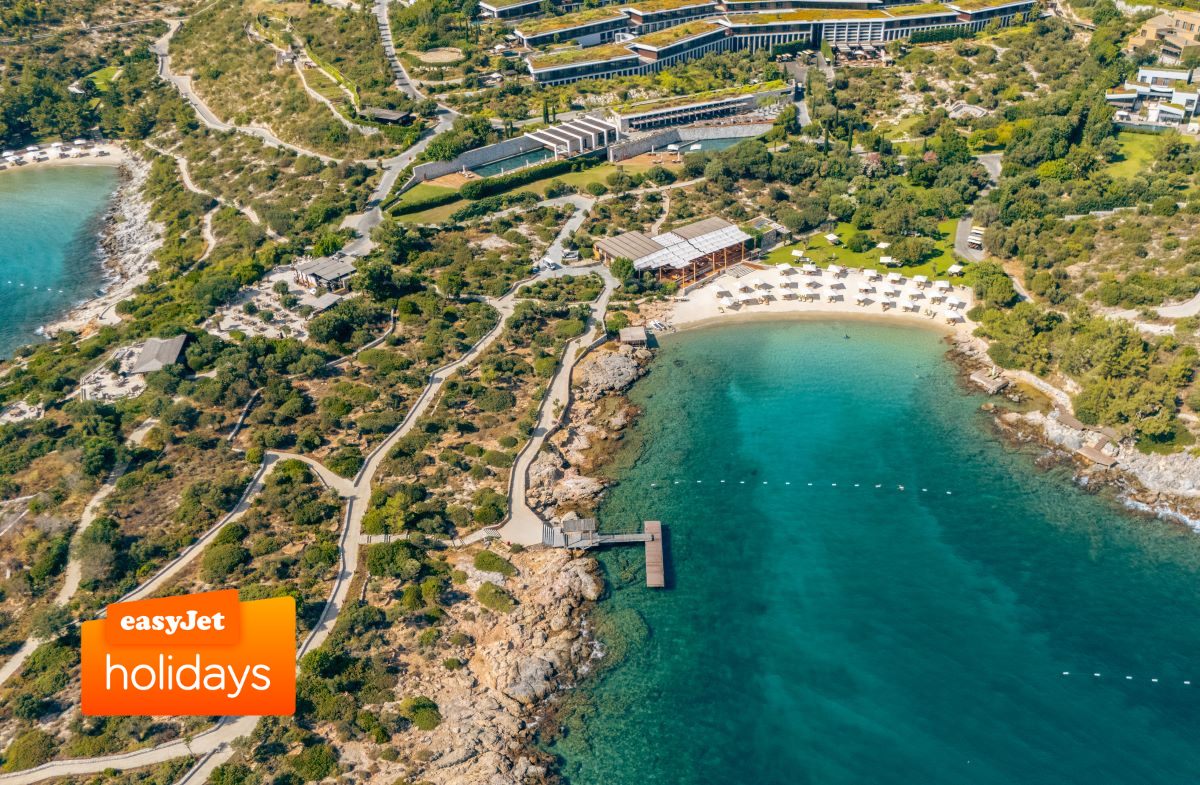
Recent competitions that Platform 195 have delivered illustrate this well. An easyJet Holidays campaign became the brand's most successful competition to date. A Travel Republic activation launched during lockdown generated enough interest in Dubai to help drive hundreds of bookings once restrictions eased, while a Hays Travel competition achieved marketing opt-in rates of around 75% – figures many brands would struggle to achieve through a conventional lead generation form.
The prize isn't really the point
It's easy to think of competitions as promotional mechanics: one person wins a holiday, everyone else moves on. In reality, the winner is almost incidental.
According to Dan, the real value comes from the thousands of people who willingly spend time exploring destination content, imagining themselves there and, in many cases, discovering somewhere they hadn't previously considered. The competition simply gives them a reason to invest attention in a brand in a way that traditional advertising often struggles to achieve.
People who immerse themselves in destination content or build the itinerary they'd take if they won often go on to book anyway. The Travel Republic Dubai campaign demonstrated exactly that, driving significant traffic to destination pages from people who ultimately had no realistic expectation of winning.
For marketers, that's a powerful combination. The same campaign can build demand, generate first-party data and deepen destination awareness simultaneously.
Better data starts with a better experience
One of the more interesting assumptions Dan challenges is the idea that consumers simply don't have the attention span to engage with branded experiences. His view is almost the opposite.
"People will happily spend ten or fifteen minutes with a brand if those minutes feel worthwhile. What they won't do is spend fifteen minutes completing a questionnaire."
Planning a dream itinerary through Australia, discovering hidden corners of Lanzarote or experimenting with an interactive AR experience doesn't feel like data capture, even though valuable behavioural insight is being generated throughout. The time commitment hasn't changed; only the perceived value has.
That's an important distinction because it changes how brands should think about first-party data. Rather than asking customers to tell you about themselves, the best competitions allow them to reveal those preferences naturally through the choices they make.
A custom trip itinerary generator is a good example. As someone builds their ideal holiday, inspired by rich and relevant content – who they're travelling with, what experiences they're looking for, the pace of the trip and the interests that matter most – every decision becomes valuable behavioural data. By the time they reach the registration page, the only information a brand may actually need to request is a name and email address.
Rather than collecting stated preferences, brands gather observed preferences, creating a far richer picture of the traveller they're hoping to market to in future.
It's an approach Platform 195 has applied across a number of travel brands. Hays Travel and Tourism Australia encouraged travellers to build personalised itineraries featuring experiences such as the Great Ocean Road, while easyJet Holidays used the same principle to help people discover a side of Lanzarote many British holidaymakers overlook. In both cases, richer destination engagement translated into richer customer insight.
Bigger prizes don't automatically mean better results
It's tempting to assume that a bigger prize naturally generates more entries and, by extension, more data.
In practice, the psychology is more nuanced.
"I think people like winning regardless of the size of the prize. In fact, the bigger the prize, the bigger the perception that 'I'll never win' – so it doesn't automatically guarantee a higher entry rate. What actually creates the highest entry rates is finding that balance between inspiration and a frictionless experience," Dan explains.
Consumers are increasingly savvy. They understand the odds. The prospect of winning a holiday is exciting, but it isn't enough on its own to persuade someone to hand over their data. The immediate experience matters just as much. If someone enjoys discovering a destination, planning their perfect trip or interacting with creative content, they've already received something of value before they ever reach the entry form.
That's good news for marketers because it suggests creativity matters at least as much as prize value.
An entry point for every budget
Not every competition needs a bespoke gamified experience. Platform 195 typically thinks about competitions across three levels: social-first campaigns that drive engagement; creatively themed landing pages that begin collecting first-party data; and fully interactive experiences such as itinerary builders, augmented reality activations and gamification that generate rich behavioural insight.
The mechanics become more sophisticated, but the principle stays the same: creativity comes before data capture. The richer the experience, the richer the insight.
Trust is what makes the data valuable
None of this works unless the exchange feels fair, stresses Dan.
That means transparent data collection, clear terms and conditions, and giving entrants genuine control over whether they opt into future marketing communications.
Interestingly, competitions often outperform more traditional lead generation when it comes to consent.
"People are more likely to opt in at that point than through another mechanism because they want to hear from you if they've won."
On a recent Hays Travel competition, around three quarters of entrants chose to opt into future marketing communications – significantly higher than most brands would expect through a standard data capture form.
It's also worth remembering that platform rules evolve. Asking entrants to like and comment remains perfectly acceptable, but requiring them to tag friends as part of the entry mechanic is no longer permitted on most major social platforms.
Where this fits
Perhaps the biggest shift is how competitions are viewed.
For years, they've largely been treated as tactical campaign add-ons, useful for driving engagement but rarely central to a marketing strategy.
Increasingly, that feels like an outdated way of thinking.
As marketers place greater value on first-party data and owned customer relationships, creative competitions are becoming something much more strategic. They provide one of the few opportunities to build a genuine relationship with future customers while they're still in the inspiration phase of planning a trip, earning both attention and permission long before the booking journey begins.
Platform 195 has applied this approach across airlines, OTAs and tour operators, adapting the format to different budgets and objectives. The mechanics may change, but the principle remains the same: create an experience people genuinely want to spend time with, and the data becomes a natural consequence rather than the primary ask.
Ready to grow your brand?
Whether you're just starting out or looking to take your retail media and marketing to the next level, Platform 195 is here to help.

More case studies

.jpeg)






Read more articles






.jpeg)