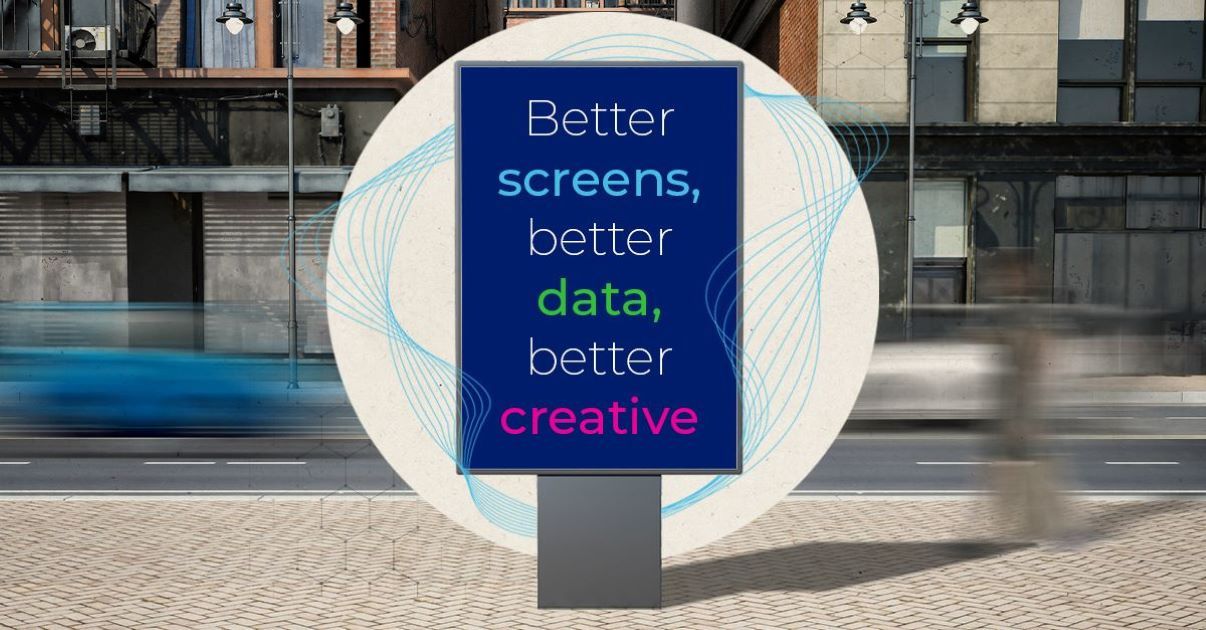
Better screens, better data, better creative – let’s DOOH it
Out-of-home (OOH) advertising plays a key role in the marketing mix for most travel retailers. But globally, the industry has been lagging as it struggled to keep pace with digital innovation. That is, until now.
Following a quiet but meaningful technical evolution, digital-out-of-home (DOOH) is no longer simply a modernised version of traditional OOH. In travel retail, DOOH increasingly includes in-store digital screen networks, making it a natural extension of shopper marketing and retail media — spanning everything from large-scale outdoor placements to retail media screens across airports, duty free, and other travel shopping environments.
So, what has changed? Whilst the technology has existed for a while, publishers and media partners have now got to grips with how best to sell, optimise, and activate DOOH. This means more flexibility for advertisers on pretty much every level.
“This is a fundamental shift away from static placements and long-standing limitations on data and creative. And for travel brands that are willing to rethink their DOOH approach, the upside is significant,” says John Gonzalez, Paid Media Lead at Platform 195.
From static placements to real-time flexibility
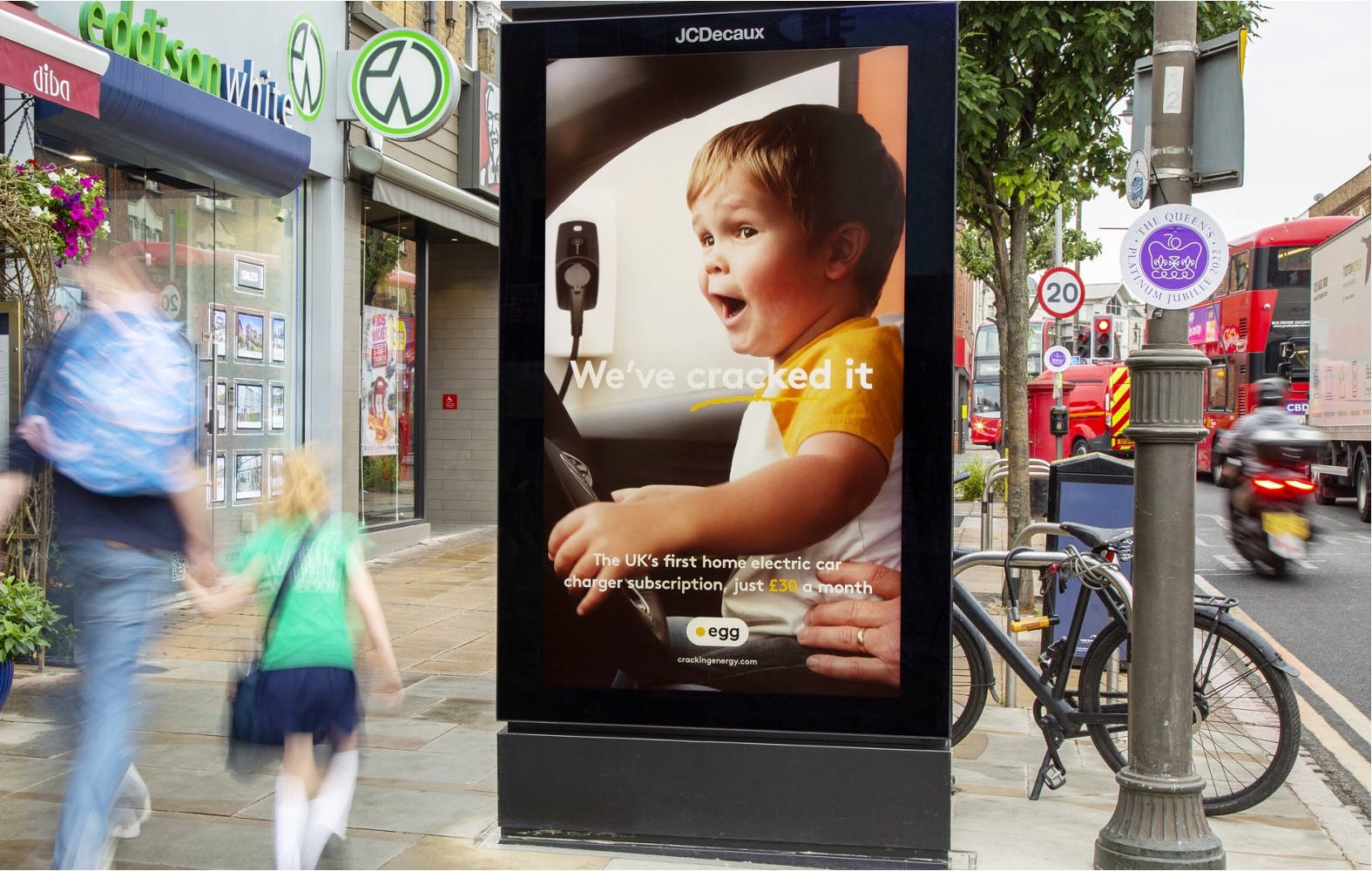
Traditional OOH was rigid by design; locations, creative, and pricing were all fixed. For the travel industry, this rigidity meant that OOH’s value itself had a limit. But the digitisation of OOH changes that entirely. DOOH can now be switched on and off in real time, scaled across multiple screens and locations — from roadside and city placements to in-terminal and in-store retail networks.
Likewise, creative can be refreshed, messages rotated, and campaigns adjusted without the long lead times that once defined the channel.
“As advertisers, you can now choose the screens you want, turn activity on or off, apply data and update creative in real time. That level of flexibility simply didn’t exist before,” explains John.
For travel brands managing seasonal demand, route changes, fluctuating pricing and unpredictable external factors, this level of responsiveness makes the channel highly attractive.
New buying models that reflect how travel demand behaves
Buying models for DOOH have also been overhauled to allow for greater flexibility. Traditionally, OOH pricing was fixed and based on location and time. There was little room to flex budgets or test different approaches without committing upfront. Today, DOOH increasingly supports auction-based buying models alongside guaranteed buys, giving advertisers more choice in how they plan and invest.
“It’s moved away from purely fixed-rate buying. You can still secure guaranteed delivery if that’s what you need, but auction-based models now allow brands to bid dynamically and adapt spend based on performance or demand,” says John.
This shift is being accelerated by changes on the supply side. Many publishers and media owners are now accessible through open marketplaces or platforms that have already negotiated rates and run-of-network pricing. This reduces friction, simplifies the buying process, and makes DOOH more competitive in favour of advertisers.
“The buying process is far simpler than it used to be because a lot of the negotiations are already done, which makes it easier to test, scale and optimise activity,” adds John.
For marketing, media, and partnerships leaders, this brings DOOH closer to the planning and optimisation frameworks used across other digital channels, without losing the impact of physical presence.
Context is where DOOH comes into its own
According to John, one of the most powerful changes that DOOH enables for the travel industry is the ability to use context properly.
This is where DOOH merges with the rise of travel retail media networks (also known as RMNs / TMNs). By leveraging the first-party data of airlines, airports, and travel retailers, digital screens in physical environments — including in-store formats — can respond to traveller signals such as location, time of day, proximity to airports, dwell time, and even live external data such as weather or local conditions. As more environments become digitised, the opportunities for contextual targeting continue to expand.
“In the past, it was difficult to target travellers contextually because so many environments simply weren’t digital. As more screens come online, the environments you can activate against are growing quickly,” says John.
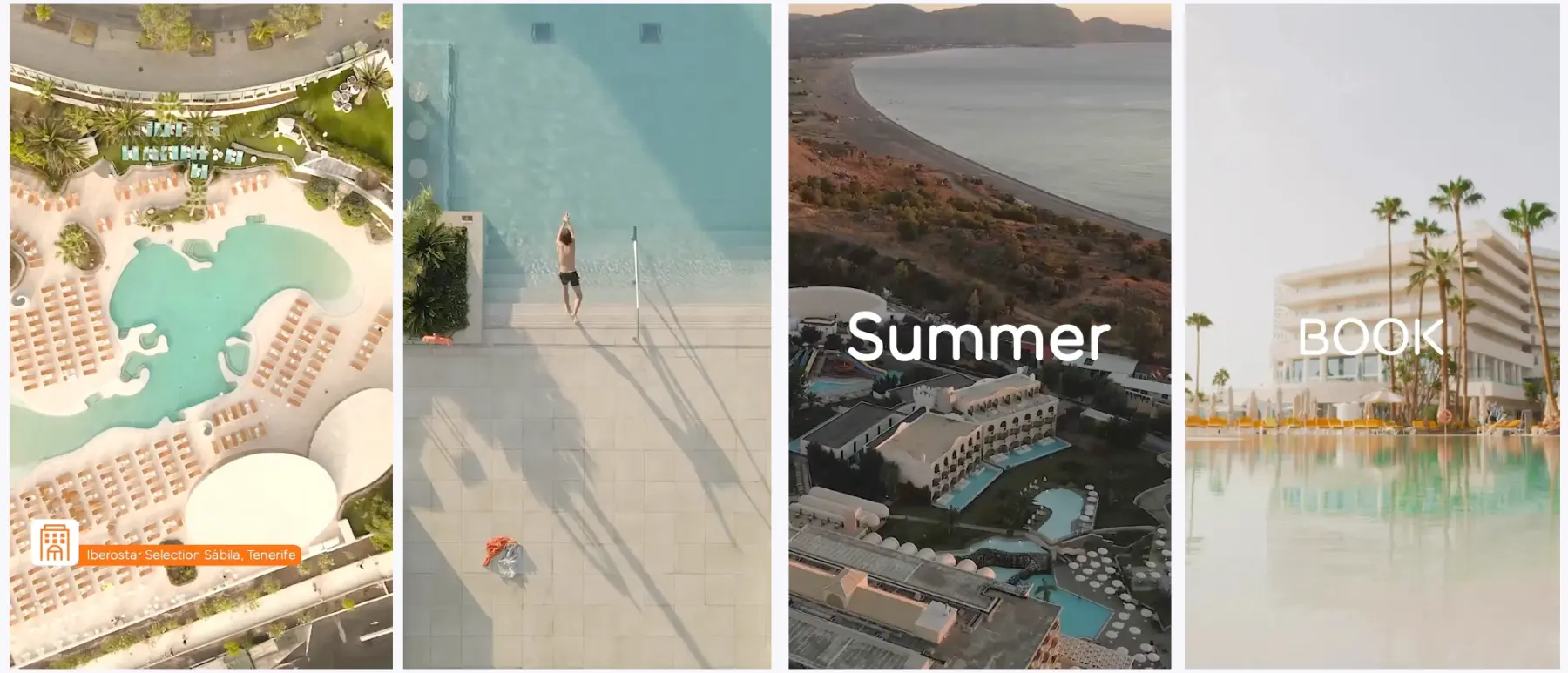
That context turns DOOH from broad exposure into something far more meaningful. Messaging can change depending on where it’s seen and when. A destination ad can reference rain in the departure city. A sunny escape can be positioned as “somewhere you’d rather be” when the weather turns. A booking prompt can appear just miles from an airport. Or a luxury brand offer can trigger while travellers are browsing in-store at duty free, tailored to dwell time or loyalty status.
This is where DOOH aligns naturally with how travel decisions are made - influenced by mood, moment and movement, not just long-term planning.
Creative is the biggest missed opportunity
Despite these advances, one area remains consistently underutilised in DOOH, creative. Too many DOOH campaigns still rely on a single static asset, deployed uniformly across every screen. That approach ignores the very capabilities that make DOOH valuable in the first place.
“Creative is where the biggest opportunity sits. Dynamic creative allows you to build modular assets that update based on where the ad is serving, the conditions around it, or the data feeding into it,” highlights John.
Large-format and 3D screens are already demonstrating the impact that bold creative can have in travel environments. But the next phase goes further, combining creative ambition with data-driven execution. Messaging can adapt in real time, pulling in external APIs or triggers to remain relevant and timely.
“The technology is there; the challenge now is adoption. The platforms offering this capability are still relatively new, but early adopters have a real chance to stand out,” says John.
For travel brands, this requires a shift in mindset. DOOH can no longer be treated as a static channel with digital delivery. It demands the same level of creative thinking and variation expected in other performance and brand environments.
Why this matters for travel brands in 2026
Across the travel industry, the conditions are in place for DOOH to play a much bigger role in the media mix. More screens, more automation, more flexible buying models, better data, and significantly more creative potential.
According to John what is often missing is the ability to move beyond legacy approaches and invest in DOOH as the dynamic, responsive channel it has become.
“If you’re doing DOOH the same way you did last year, you’re probably not getting the most out of it,” says John.
“This is the moment to rethink it properly, especially from a creative point of view.”
For CMOs, media leaders and partnerships teams, the opportunity is clear. DOOH — across out-of-home and in-store travel retail screens — is no longer about buying space. It’s about using context, creativity, and flexibility to show up meaningfully in moments that matter to travellers.
Want to explore how DOOH fits into the wider travel retail media opportunity?
Read our Travel Retail Media Trends for 2026 eBook or speak to Platform 195 about how to activate DOOH as part of a connected, outcome-led strategy.
Ready to grow your brand?
Whether you're just starting out or looking to take your retail media and marketing to the next level, Platform 195 is here to help.

More case studies

.jpg)





Read more articles





.jpg)