Inflight and beyond: What does the airline retail media opportunity look like in 2026?
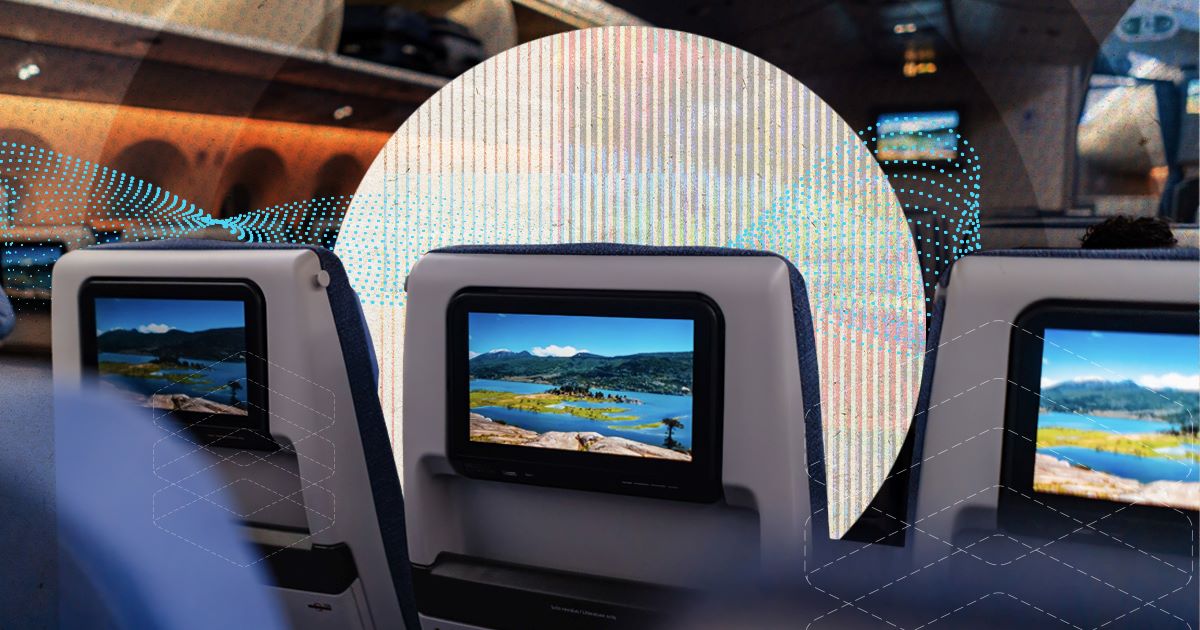
In our recent eBook, From innovation to adoption: 10 travel retail media trends to watch in 2026, we identified inflight media as one of the clearest examples of a channel entering an accountability phase.
This isn’t because inflight is new, or because the opportunity has suddenly appeared, but because the infrastructure it is built on is changing. Connectivity is improving, entertainment systems are evolving, and commerce and media are, at long last, beginning to converge onboard. Before inflight media can truly take off, however, there is still a gap to close between promise and proof.
As we flagged in the eBook, inflight media has reach, attention and a captive audience, but it has historically lacked consistent accountability. Measurement has been limited, activity fragmented, and the channel too often treated as incremental rather than strategic.
This article digs into that challenge in more detail. It explores the changes taking place across inflight connectivity, systems, and formats — and what those shifts actually mean for airlines in practical terms when it comes to building a scalable retail media opportunity.
The potential of inflight has long been clear. Airlines sit on one of the rarest commodities in modern marketing: attention. And yet, inflight media has remained difficult to scale, hard to measure, difficult to sell consistently, and often side-lined.
That is now starting to change. With key providers beginning to unlock technical restrictions that have long constrained the channel, inflight media is moving closer to the conditions required for real growth.
“Inflight lacks proof, not opportunity, there is plenty of that. Once that gap closes, scale will follow,” says Stuart Adamson, CEO and Founder at Platform 195.
That gap is finally beginning to narrow.
From closed loop to live environment
For much of its history, inflight media has operated as a closed system. Seatback screens carried pre-loaded content, advertising was sold largely as sponsorship and measurement, where it existed at all, relied on recall studies and post-flight surveys. In practice, inflight sat apart from the rest of the media and commerce ecosystem, difficult to connect and even harder to optimise.
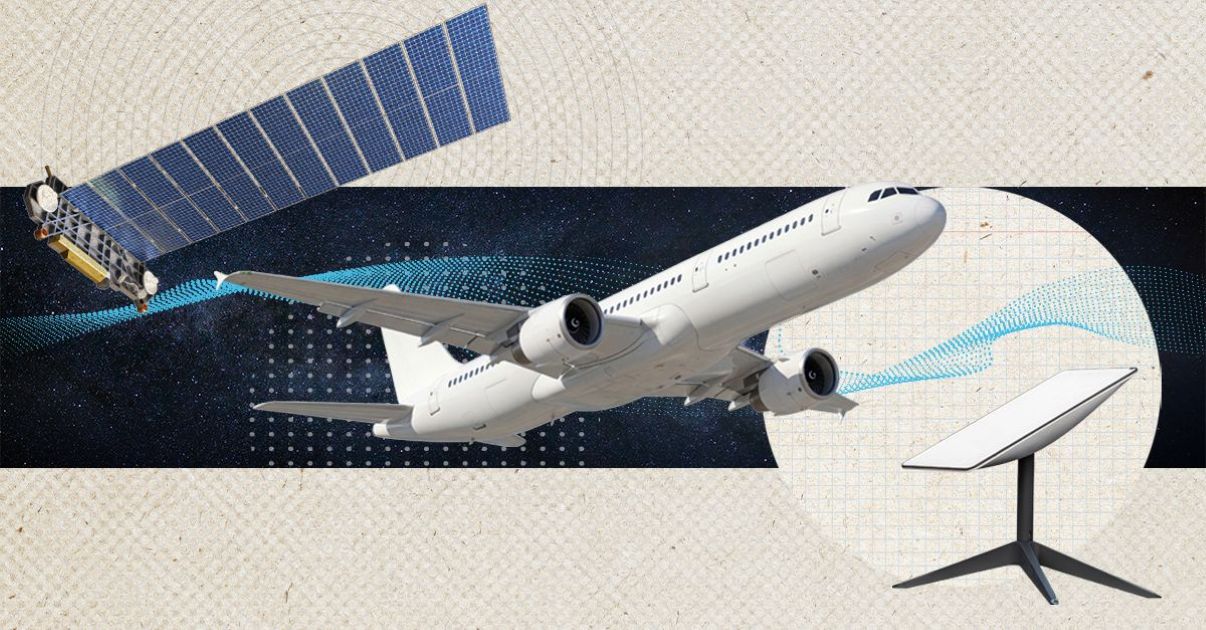
Now, in 2026, advances in satellite connectivity are turning aircraft into live environments rather than sealed ones. The rollout of higher-bandwidth solutions such as Starlink matters because it removes constraints that previously limited what could be done onboard at scale.
“Once inflight stops being a closed loop, everything changes. You move from static exposure to something that can evolve, adapt and, eventually, be measured more consistently,” says Stuart.
And connectivity decisions are no longer just about passenger satisfaction. They increasingly shape what airlines can enable commercially, from richer formats to more reliable reporting. Inflight media still operates very differently to digital on the ground. But the shift toward live environments is commercially significant.
Systems are evolving, but maturity is uneven
Alongside improvements in connectivity, inflight systems are becoming more structured, with media layers now being added to IFE platforms. Commerce is beginning to appear within Wi-Fi environments. Airlines are being offered clearer frameworks for packaging and selling onboard inventory. Developments such as Panasonic’s partnership with OneMedia reflect a broader attempt to move away from ad hoc sponsorship toward something more repeatable.
That progress matters but it does not yet equal commercial maturity. Much of what is described as programmatic inflight today is programmatic in name rather than in operation. Inventory is often banner-led, decisioning is basic, and automation exists in parts of the process rather than end to end. Reporting has improved, but it is still inconsistent by digital standards.
“There’s a tendency to label things as programmatic before they’re really there. In many cases, what’s being sold hasn’t fundamentally changed — it’s just been wrapped differently,” explains Stuart.
The risk for airlines is assuming that technical availability alone equates to commercial readiness.
When segmentation becomes counterproductive
As inflight capability improves, there is a natural temptation to push segmentation further.
Route, cabin class and flight duration all provide useful signals. Used well, they make inflight media more relevant but used indiscriminately, they introduce a different problem.
In environments that aren’t truly automated, segmentation can quickly fragment inventory. Smaller audiences are harder to sell repeatedly, harder to package and more expensive to manage. What looks sophisticated on a rate card can quietly erode return on investment.
“Segmentation only helps if it scales. If you create lots of small audiences that are hard to sell, you’re adding complexity without adding value,” says Stuart.
The most effective inflight retail media strategies resist over-engineering and instead focus on broad, premium cohorts that advertisers recognise, understand and can buy repeatedly.
Owned devices, Wi-Fi and the value exchange
For airlines without seatback screens, or where coverage is inconsistent, owned-device experiences play an increasingly important role.
Wi-Fi portals create clear moments of attention but they also introduce trade-offs. Gating access behind advertising can suppress usage. Offering free access increases reach but changes the economics. Restricting access to premium passengers reduces scale while increasing desirability.
What matters is that the value exchange feels fair and proportionate. In inflight environments, where choice is limited, passengers are quick to notice when monetisation feels forced.
“Inflight is one of the most sensitive environments you can monetise. If it feels intrusive or out of place, you lose trust very quickly,” notes Stuart.
Commerce is edging onboard
Another shift underway is the gradual integration of retail into inflight connectivity itself. Partnerships between connectivity providers and commerce platforms, such as Viasat’s partnership with InterLnkd to roll out AirMall, point to a future where shopping is embedded into inflight environments rather than treated as an add-on.
These models are still early, but they matter because they introduce transactional moments where inflight offerings, like magazines, previously offered only exposure.
“What’s interesting isn’t whether every model works today. It’s that inflight commerce exists at all in places it didn’t before. That changes how brands think about the channel,” says Stuart.
The opportunity extends beyond the cabin
One of the more uncomfortable truths in airline retail media is that inflight alone is unlikely to carry the full commercial opportunity.
OTAs generate significant destination and accommodation marketing revenue because they control discovery at the moment of intent. Airlines, by contrast, often under-utilise their pre-booking and post-booking environments.
Where airlines operate, or closely align with, tour operators, the opportunity expands quickly. In that context, inflight becomes a reinforcing layer within a broader ecosystem, supporting activity before and after the flight rather than operating in isolation.
“Inflight works best when it’s part of something bigger. On its own, it’s powerful. Connected to the wider journey, it’s far more valuable,” says Stuart.
Experience versus revenue remains the defining tension
Across all of this sits a familiar airline challenge. Passengers are captive, but expectations are high. Advertising can generate revenue, but it can also undermine experience if poorly executed. Non-endemic brands bring budget, but they also bring risk. This historic tension isn’t going away.
“The airlines we will see winning here will be the ones investing in media for the long haul, not simply seeking a short-term revenue grab,” advises Stuart.
What this means for airlines in 2026
Inflight retail media is no longer an abstract opportunity. The foundations are already in place. Connectivity has improved, systems are evolving, and the cabin is no longer a closed environment.
What now determines success is not access to technology, but how deliberately it is used. Airlines that make progress are not chasing every new capability, nor are they treating inflight as a standalone revenue line. They are applying commercial discipline, being realistic about what can and cannot be measured, and integrating inflight into a wider retail media ecosystem that spans the full journey.
“The mistake airlines make is waiting for inflight to look perfect before treating it seriously. The real shift happens when you decide what role it plays commercially and design around that,” says Stuart.
The opportunity itself has been clear for some time. What has changed is the industry’s ability, and willingness, to prove value in a way that scales. That shift, from experimentation to accountability, is where the real advantage now lies.
For more insights around airline media developments, download our free ebook today, or contact the team to learn more.
Ready to grow your brand?
Whether you're just starting out or looking to take your retail media and marketing to the next level, Platform 195 is here to help.

More case studies

.jpg)







Read more articles







.jpg)